 Post by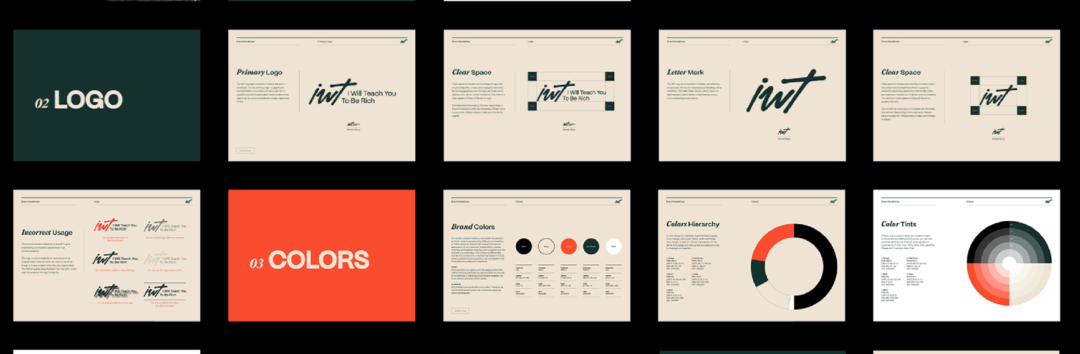
Ask most Sri Lankan business owners what their brand identity is and they will point to their logo. But a logo is just one part of your brand and often the least important part. Brand identity is the complete system of visual and verbal elements that define how your business is perceived and when it is done well, it builds trust, drives recognition, and turns first-time customers into loyal ones.
Brand Identity vs Logo, What’s the Difference?
A logo is a single visual mark, an icon, wordmark, or combination of both, that represents your business. Brand identity is the broader system that determines how your business looks and sounds across every touchpoint. Consider brands you recognise instantly, not just from their logo, but from a colour palette, a font style, a way of communicating, or a visual aesthetic. That instant recognition is brand identity working correctly. It cannot be achieved with a logo alone.
The 6 Core Elements of a Complete Brand Identity
- Logo system: Primary logo plus alternate versions, monogram, and favicon for different applications
- Colour palette: Primary and secondary colours specified in HEX, RGB, and CMYK with usage rules
- Typography: Font selections and hierarchy rules for headings, body text, and interface use
- Visual language: Photography style, illustration style, icon style, and graphical elements
- Brand voice: Tone of voice, messaging principles, and how the business communicates in writing
- Brand guidelines: A document that explains how all of the above should be applied consistently
How Brand Identity Affects Customer Trust and Purchase Decisions
Trust is the currency of business relationships — and visual consistency is one of the fastest ways to build it. When a potential client sees your business presented consistently across your website, your social media, your proposals, and your physical materials, it communicates that you are organised, professional, and attentive to detail.
Conversely, a business that looks different depending on where you encounter it creates subconscious doubt. If you cannot maintain consistency in how you present your own business, why would a client trust you to be consistent in delivering your services?
The Cost of Not Having a Brand Identity
The cost of inconsistent or absent brand identity is rarely measured directly — but it shows up in lost opportunities, lower conversion rates, and the constant need to rebuild credibility with every new potential client. Businesses with strong brand identities spend less on marketing because their reputation does part of the selling for them.
In Sri Lanka’s increasingly competitive market — where local businesses compete with both local and international alternatives online — a professional brand identity is no longer a differentiator. It is a baseline expectation.
When Is the Right Time to Invest in Brand Identity?
The right time to invest in brand identity is as early as possible — ideally before you launch or relaunch publicly. Rebranding an established business requires more careful management to preserve existing recognition. Starting with a professional identity from day one is significantly cheaper than fixing a poor one later.
That said, if your existing brand identity is inconsistent, outdated, or no longer reflects your business accurately — rebranding is an investment, not an expense.
How to Choose a Branding Agency in Sri Lanka
When evaluating branding agencies in Sri Lanka, look for: a portfolio of completed brand identity projects (not just logo designs), a clear process that begins with strategy before design, transparency about what is included in the deliverables, and evidence that they understand brand — not just aesthetics.
A branding agency should be able to explain why every design decision was made, not just show you what they created.
“Your brand is not what you say it is — it is what your customers believe it is. Professional brand identity shapes that belief before a single conversation takes place.”