
 Post by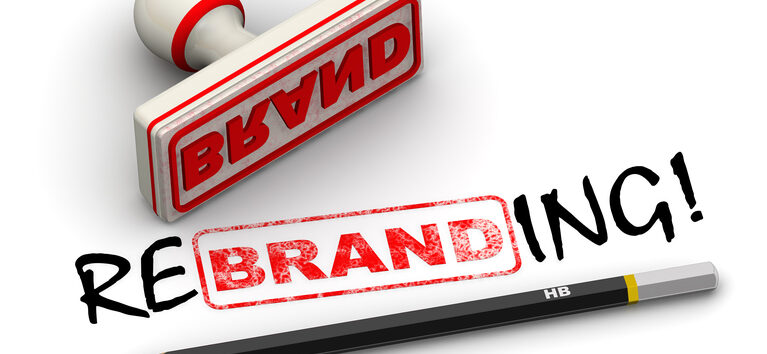
Rebranding is one of the most impactful and most misunderstood decisions a business can make. Done well, it repositions your company, attracts new customers, and reignites loyalty from existing ones. Done badly, it confuses the people who already know and trust you. Whether you are considering a minor visual refresh or a complete brand overhaul, this guide walks you through how to do it right.
What Is Rebranding Refresh vs Complete Rebrand?


Rebranding is one of the most impactful and most misunderstood decisions a business can make. Done well, it repositions your company, attracts new customers, and reignites loyalty from existing ones. Done badly, it confuses the people who already know and trust you. Whether you are considering a minor visual refresh or a complete brand overhaul, this guide walks you through how to do it right.
What Is Rebranding — Refresh vs Complete Rebrand?
A brand refresh involves updating visual elements while maintaining core recognition — modernising a logo, refining the colour palette, or updating typography without fundamentally changing how the brand is perceived. This is appropriate when your brand is recognised and trusted, but the visual execution has become dated.
A complete rebrand involves a fundamental repositioning — changing not just the visuals but the brand strategy, messaging, and potentially the name. This is appropriate when the business itself has changed significantly, when the existing brand has negative associations, or when you are targeting an entirely new market.
5 Signs Your Business Is Ready for a Rebrand
- Your business has evolved significantly since the brand was created and the current identity no longer reflects what you do
- Your target audience has changed and your current brand does not resonate with the new audience
- You are embarrassed to share your website or business card with potential clients
- Your competitors have stronger, more professional brand identities and you are losing business as a result
- You are entering a new market — particularly foreign markets — where your current brand does not communicate at the right level
What to Preserve vs What to Change in a Rebrand
Not everything should change in a rebrand — and identifying what to preserve is as important as identifying what to change. Brand equity is the recognition and trust associated with your existing brand. Throwing it all away is expensive and risky.
Before a rebrand, conduct an honest audit: What do existing customers associate with your brand positively? What colours, elements, or aspects of your current identity have recognition value? These are candidates for evolution, not elimination.
How to Communicate a Rebrand to Your Existing Customers
The most critical factor in a successful rebrand is communication. Your existing customers should feel informed and included — not surprised and confused. A rebrand announcement should explain why you are changing, what is staying the same, and what the new identity represents for them as clients.
In Sri Lanka, WhatsApp, email, and social media are the most effective channels for this communication. A personal message to key clients, followed by a public announcement, typically manages the transition most smoothly.
The Rebranding Process Step by Step
- Brand audit: Assess the current brand’s strengths, weaknesses, and equity
- Strategy: Define the new positioning, target audience, and brand personality
- Creative direction: Develop 2–3 visual directions for stakeholder review
- Design: Develop the chosen direction into a complete identity system
- Guidelines: Document all brand elements and usage rules
- Rollout: Apply the new brand systematically across all touchpoints
Common Rebranding Mistakes That Cost Businesses Dearly
The most common rebrand mistake in Sri Lanka is rushing the process — designing a new logo without completing the strategic work first. A rebrand that is purely cosmetic without a strategy behind it typically fails to achieve its business objectives.
Other common mistakes include: changing everything at once (which creates maximum disruption for minimal benefit), not informing existing customers (which creates confusion and concern), and not completing the rollout (which results in an inconsistent mixed brand appearance across channels).
“A rebrand is an opportunity to tell the world who you have become — but only if you know clearly who that is before you start designing.”