
 Post by
Your logo is the most visible element of your business it appears on your website, your business cards, your signage, your social media, and everything in between. Getting it right is one of the most important early decisions any business makes. Getting it wrong is expensive to fix later. This guide tells you exactly what to look for, what to expect, and what to avoid when commissioning logo design in Sri Lanka.
What Makes a Logo Professional?
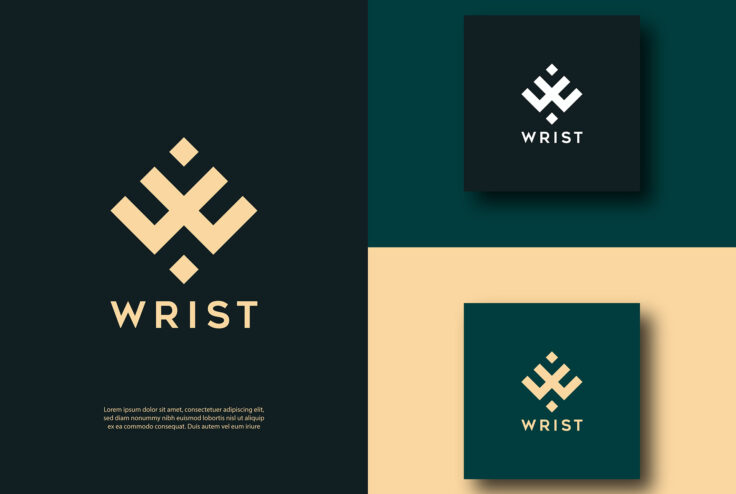

A professional logo shares several qualities: it is simple enough to be recognisable at small sizes; it is versatile enough to work in black and white, full colour, and reversed (white on dark background); it is distinctive enough to be memorable; and it is appropriate for the industry and audience it represents. Amateur logos typically fail on at least one of these criteria — they are too complex to scale down, they only work in specific colour combinations, they resemble existing logos too closely, or they rely on effects (gradients, drop shadows, bevels) that do not reproduce well in all contexts.
What a Logo Design Package Should Always Include
- Primary logo in full colour
- Alternate versions: horizontal, stacked, and icon-only variations
- Monochrome version: black and white for single-colour applications
- Reversed version: white logo for use on dark backgrounds
- Favicon: small icon version for browser tabs and app icons
- All file formats: AI, SVG, PNG (transparent background), PDF, and JPG
- Basic usage guidance: minimum sizes, clear space rules, and background requirements
How Much Does Logo Design Cost in Sri Lanka in 2025?
Logo design in Sri Lanka ranges from LKR 5,000 for basic freelance work to LKR 50,000 or more for a complete logo system from a professional agency. The price reflects the level of strategic thinking, design quality, revision depth, and file delivery included.
As a general benchmark: a professional logo design package from a reputable agency in Sri Lanka should cost between LKR 20,000 and LKR 35,000. Anything significantly below this range typically involves minimal concepts, limited revisions, and basic file delivery.
The Logo Design Process — From Brief to Final Files
A professional logo design process follows these stages: first, a discovery conversation or brief to understand your business, audience, values, and preferences; second, research into your industry, competitors, and design references; third, concept development — typically presenting 2–3 distinct design directions; fourth, refinement of the chosen direction based on client feedback; and fifth, final file preparation and delivery.
This process typically takes 2–4 weeks from brief to delivery. A logo completed in 24 or 48 hours has almost certainly skipped the research and strategic thinking that makes a logo work long-term.
5 Red Flags When Hiring a Logo Designer in Sri Lanka
- They offer unlimited concepts from the start — this signals no strategic direction and encourages guesswork rather than considered design
- The portfolio shows only logos without any context — you cannot evaluate a logo without knowing what the business does
- They cannot explain why they made specific design choices — professional designers can articulate the reasoning behind every decision
- The price seems impossibly low — logos at LKR 2,000 or LKR 3,000 are typically stock icon modifications, not original designs
- They cannot provide source files (AI or SVG) — if a designer cannot or will not provide source files, you will not own your logo
What Files You Should Receive When Your Logo Is Complete
When a logo project is complete, you should receive: the editable source file (AI or SVG format), PNG files with transparent backgrounds in multiple sizes, a PDF version for print applications, and a JPG version for general use. If any of these are missing, ask for them before making final payment — once a project is closed, retrieving files can be difficult.
“A logo is not a decoration — it is an investment in how the world recognises and remembers your business. Treat it as such.”