
 Post by
You’ve probably heard the terms UI and UX thrown around but what do they actually mean for your business? More importantly, why should you care? In simple terms: UI is how your website looks, and UX is how it works. And while looks matter, it’s how your website works that determines whether a visitor becomes a customer or clicks away to a competitor.
UI vs UX, What’s the Difference and Why Does It Matter?
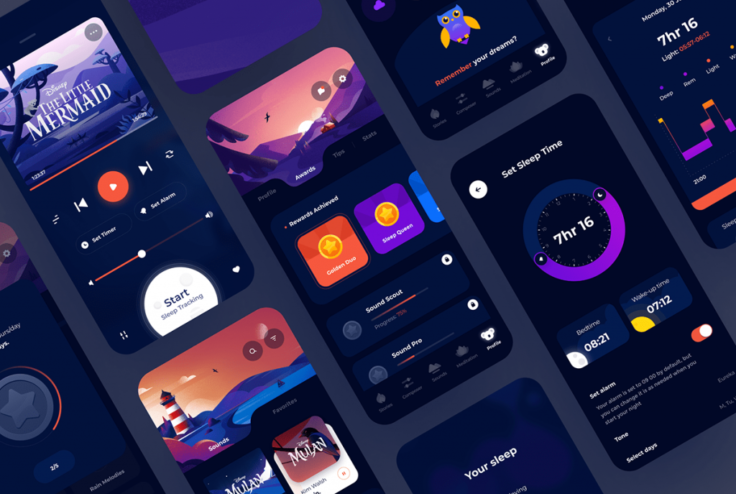
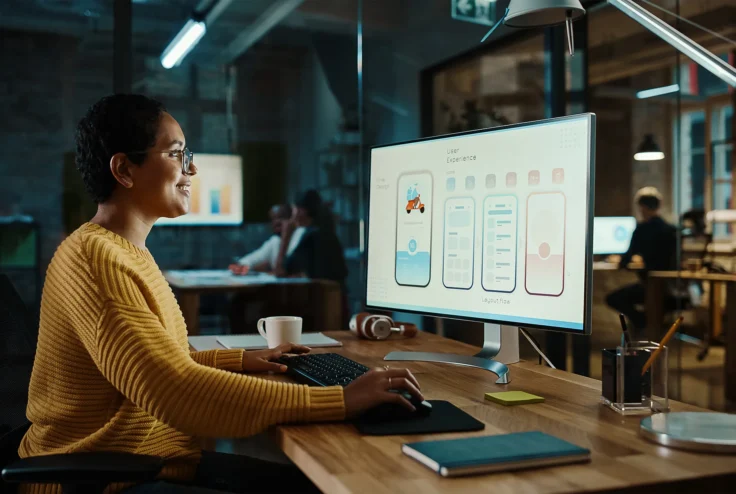
UI stands for User Interface, the visual layer of a digital product. This includes the layout, typography, colour scheme, buttons, icons, and all the visual elements a user interacts with. Good UI design makes a website visually appealing and consistent. UX stands for User Experience, the overall experience a person has when using a website or application. UX encompasses how intuitive the navigation is, how easy it is to find information, how smoothly the checkout process flows, and whether the visitor achieves their goal quickly and without frustration. Good UX design makes a website easy and satisfying to use.
How Poor UX Design Drives Customers Away
You can have a beautifully designed website — stunning visuals, great photography, a polished colour palette — and still convert almost no visitors into enquiries or sales. The reason is almost always UX. If visitors can’t find what they’re looking for quickly, if the navigation confuses them, or if the contact form is buried on a page that requires 4 clicks to reach — they will leave.
Research consistently shows that 88% of online consumers are less likely to return to a website after a bad user experience. In the competitive Sri Lankan market, a single poor UX decision can send potential clients directly to a competitor.
The Business Case for Investing in UI/UX Design
Investing in professional UI/UX design is not just about aesthetics — it is a commercial decision. Well-designed websites consistently outperform poorly designed ones on every measurable metric: lower bounce rates, higher time on site, more enquiries submitted, more products purchased, and better Google rankings.
For Sri Lankan businesses targeting foreign clients, the standard of UI/UX design on your website is one of the primary ways international prospects assess your professionalism and capabilities. A poorly designed website from a company claiming to offer professional services creates immediate credibility doubts.
Key UX Principles Every Business Website Should Follow
Regardless of your industry, your website should adhere to these fundamental UX principles:
- Clarity: Visitors should understand what you do and who you serve within 5 seconds of landing on your homepage
- Simplicity: Remove anything that does not serve a clear purpose — complexity creates friction
- Consistency: Visual elements, navigation patterns, and interaction behaviours should be consistent across all pages
- Accessibility: Your website should be usable by people with visual, motor, or cognitive impairments
- Mobile-first: Design for the smallest screen first, then scale up — not the other way around
Common UI/UX Mistakes Sri Lankan Websites Make
Across hundreds of Sri Lankan business websites, we consistently see the same UX problems: too many menu items that overwhelm visitors; contact information hidden in the footer; no clear call to action on the homepage; text that is too small to read comfortably on mobile; and page load times that test the patience of even the most interested visitor.
These are not design problems — they are business problems. Every one of them directly reduces the number of enquiries your website generates.
How UI/UX Design Directly Affects Your Conversion Rate
Conversion rate is the percentage of website visitors who take the action you want — submitting an enquiry, making a purchase, booking a call. Small UX improvements can produce dramatic conversion improvements. Simplifying a contact form from 8 fields to 4, adding a WhatsApp button to the homepage, or making the primary CTA button more visible can each increase enquiry rates by 20–40%.
These are not hypothetical improvements — they are documented outcomes from real UI/UX projects.
When Do You Need a Dedicated UI/UX Designer?
If you are building a new website or rebuilding an existing one, professional UI/UX design should be part of every project — not an optional extra. At Pixel Quest, UI/UX thinking is embedded in our web design process, not treated as a separate phase. This is what separates websites that look good from websites that perform.
“Professional design is not about making things look pretty — it is about making the right impression on the right people at the right moment.”